Understanding Roof Replacement Services: When Replacement Becomes the Best Long-Term Solution for Homeowners
A strong and reliable roof is essential for protecting a home from weather, moisture, and structural damage. Over time, however, even well-maintained roofs begin to deteriorate due to aging materials, environmental exposure, and natural wear. When repairs are no longer enough, many homeowners turn to professional roof replacement services to restore the safety and durability of their homes.
Understanding how roof replacement works, the warning signs that indicate a failing roof, and the materials available can help homeowners make informed decisions before serious damage occurs.
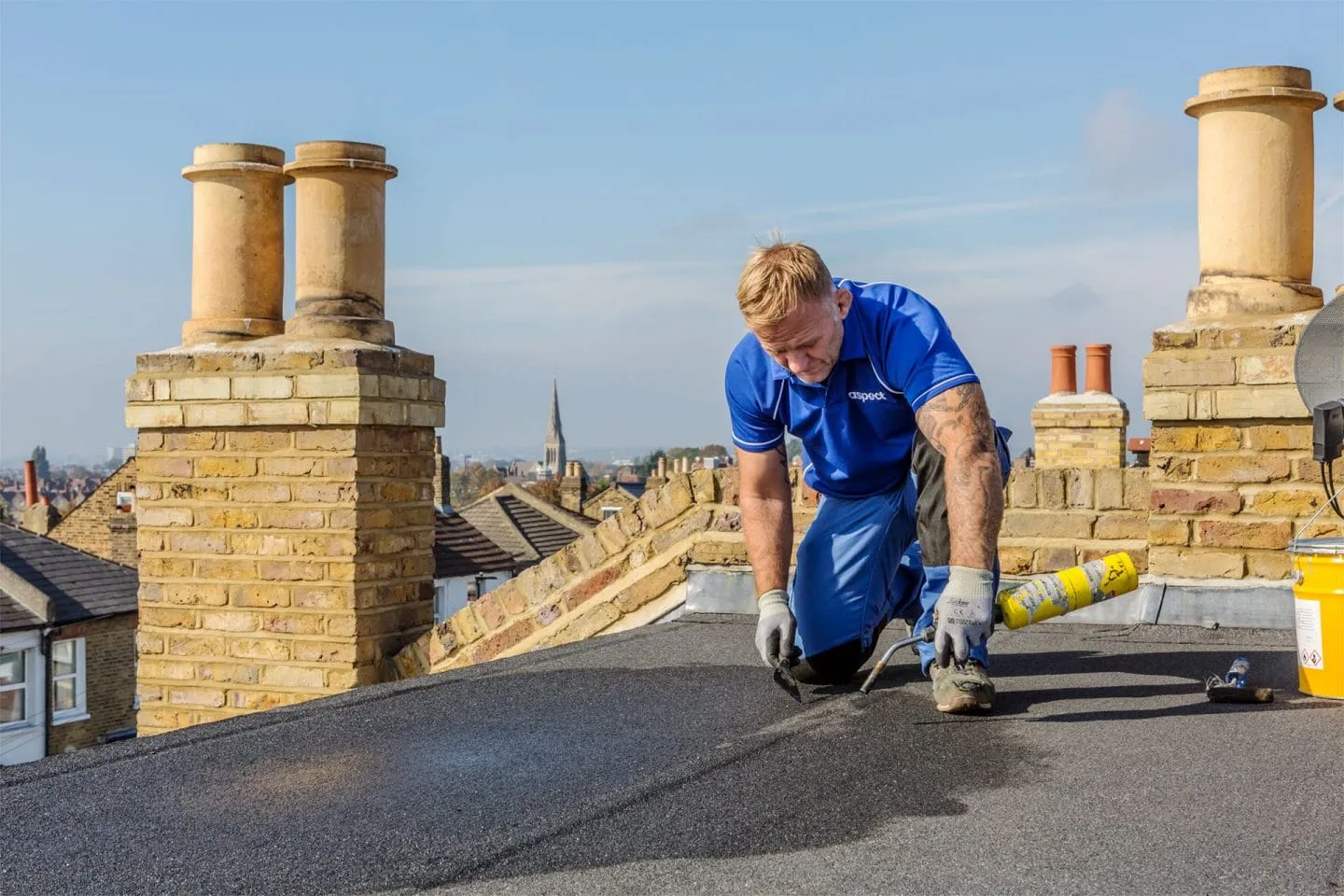
Why Roof Replacement Is Sometimes the Best Option
Many homeowners initially attempt to extend the life of their roof through minor repairs. While repairs can be effective for small issues, repeated patching often becomes inefficient when the roof has reached the end of its lifespan.
Roof replacement provides a long-term solution that addresses underlying structural issues rather than temporary surface problems. By replacing the entire roofing system, homeowners can improve weather resistance, increase energy efficiency, and prevent recurring repair costs.
A new roof can also significantly enhance the overall value and appearance of a home, making it an important investment for property maintenance.
Key Warning Signs That Indicate a Roof Replacement May Be Needed
Recognizing the early signs of roof deterioration can help homeowners avoid costly interior damage. Several indicators commonly suggest that roof replacement services may be necessary.
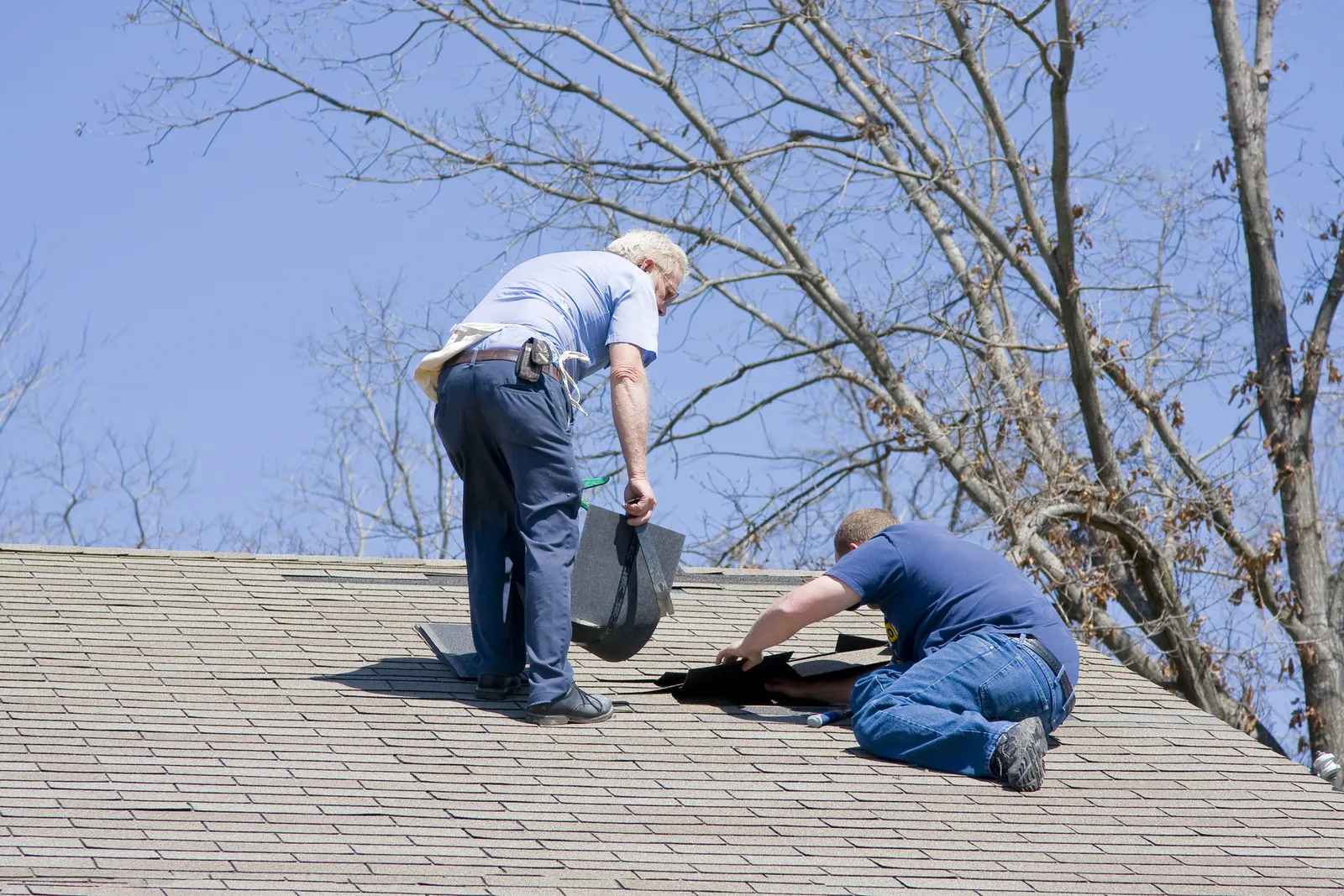
One of the most obvious signs is visible shingle damage. Shingles that are curling, cracked, or missing indicate that the roof's protective layer is weakening.
Another common warning sign is persistent roof leaks. Water stains on ceilings, damp insulation in the attic, or mold growth can indicate that moisture is penetrating the roofing system.
Excessive granule loss from asphalt shingles is also a concern. If gutters begin filling with granules, it may indicate that shingles are deteriorating and losing their protective coating.
Additionally, sagging areas along the roofline may suggest structural problems beneath the roofing materials. In such cases, professional evaluation becomes critical.
The Roof Replacement Process Explained
Professional roof replacement services follow a structured process designed to ensure durability and safety.
The first step typically involves a detailed inspection of the existing roof. Roofing professionals evaluate the condition of the shingles, underlayment, flashing, and structural components.
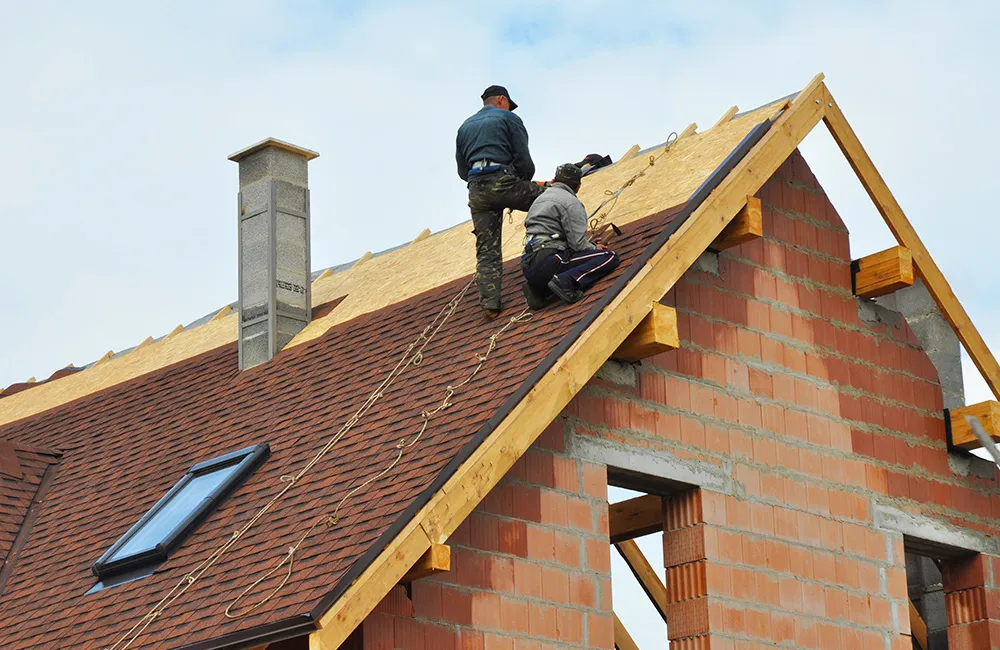
Once replacement is confirmed, contractors remove the old roofing materials. This step allows them to examine the roof deck underneath and repair any hidden damage caused by moisture or rot.
After preparing the roof deck, installers add protective layers such as underlayment and flashing to improve water resistance. The new roofing materials are then carefully installed according to manufacturer specifications.
Finally, the project concludes with a cleanup process and a final inspection to ensure the installation meets industry standards.
Popular Roofing Materials for Replacement Projects
When planning a roof replacement, homeowners often have several material options depending on budget, climate, and design preferences.
Asphalt shingles remain the most widely used roofing material due to their affordability and ease of installation. They provide reliable protection and are available in a wide range of colors and styles.
Metal roofing has become increasingly popular because of its durability and energy efficiency. Metal roofs can last decades and offer excellent resistance to wind, rain, and fire.
Clay or concrete tiles are known for their longevity and distinctive appearance. These materials are often used in warmer climates and can last significantly longer than traditional shingles.
Synthetic roofing materials are also gaining popularity, offering improved durability while replicating the appearance of wood shakes or slate.
Selecting the right material depends on factors such as climate conditions, structural support, aesthetic preferences, and long-term maintenance expectations.
Factors That Influence Roof Replacement Costs
Roof replacement costs can vary widely depending on several factors.
The size of the roof is one of the most important considerations. Larger roofs require more materials and labor, increasing the total project cost.
Material selection also plays a major role. Premium materials like metal or tile typically cost more upfront than asphalt shingles but may offer longer lifespans and lower maintenance.
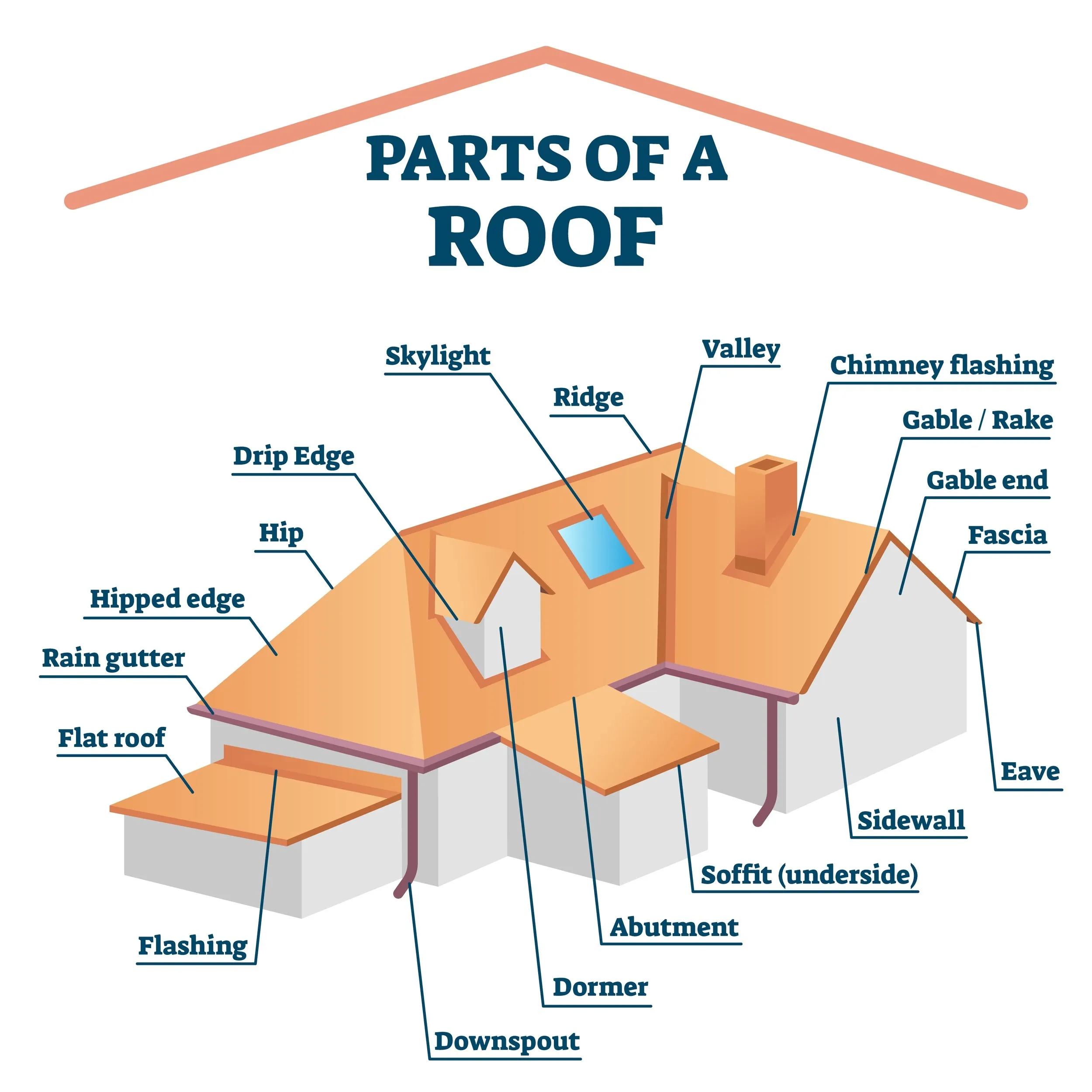
Roof complexity can also impact pricing. Roofs with steep slopes, multiple angles, chimneys, or skylights require additional installation time and expertise.
Local labor rates, disposal fees for old materials, and potential structural repairs can further influence the final project cost.
For these reasons, homeowners often benefit from obtaining multiple professional estimates before selecting a contractor.
Benefits of Hiring Professional Roof Replacement Services
Working with experienced roofing professionals provides several important advantages. Professional contractors have the expertise to evaluate roof conditions accurately and recommend the most appropriate solutions.
They also ensure that roofing systems are installed according to building codes and manufacturer guidelines. Proper installation is essential for maximizing the lifespan of roofing materials.
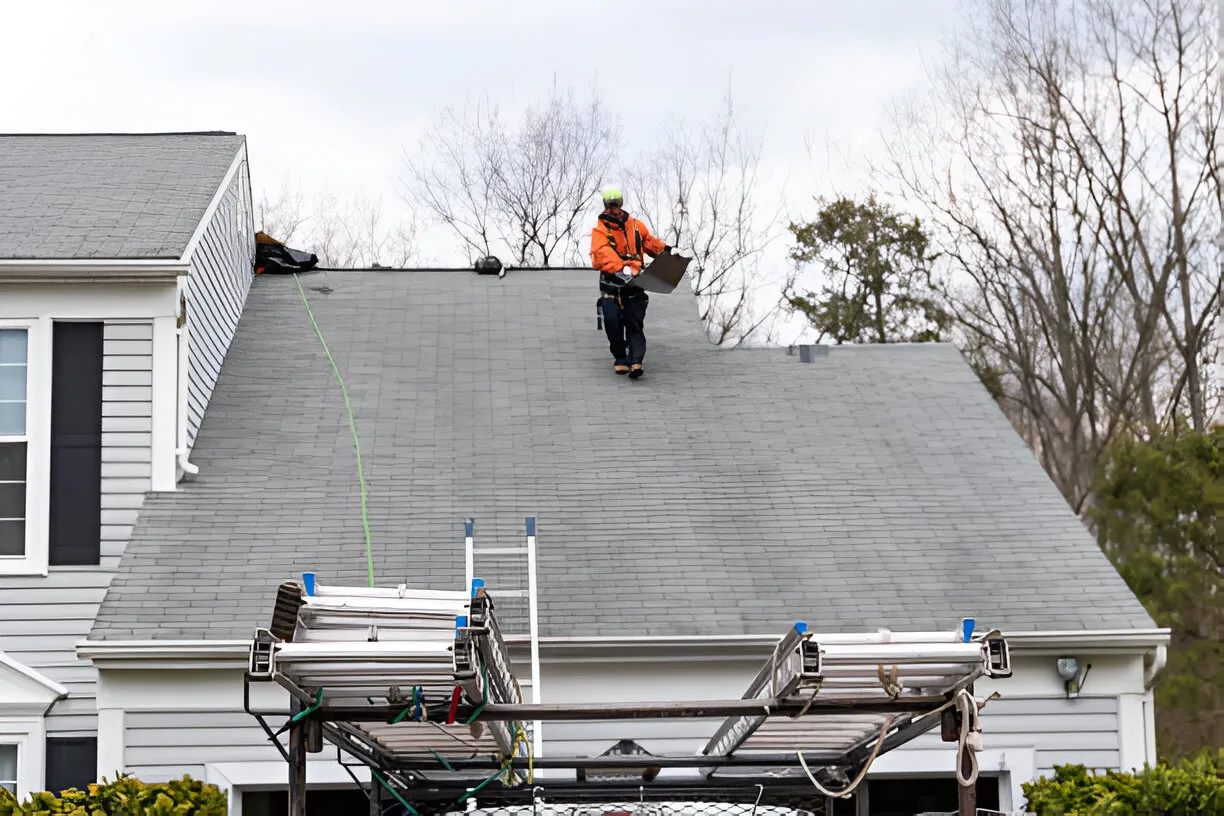
Safety is another important factor. Roofing projects involve working at significant heights and require specialized equipment and training.
In addition, reputable roofing companies often provide warranties for both labor and materials, offering homeowners long-term peace of mind.
Planning Ahead for a Roof Replacement
Proactive planning can help homeowners avoid emergency roof replacements caused by sudden leaks or storm damage.
Scheduling routine roof inspections allows professionals to identify early signs of deterioration before major problems develop. This approach can help homeowners plan financially and choose the best time to complete the project.
Researching qualified roofing contractors, reviewing past customer experiences, and verifying insurance and licensing are also important steps when preparing for a roof replacement.
By taking these precautions, homeowners can ensure their roofing investment delivers reliable protection for many years.
Conclusion
Roof replacement services are an essential part of long-term home maintenance. As roofing systems age and experience wear from environmental exposure, replacement eventually becomes the most reliable way to maintain structural integrity and protect the home.
By recognizing warning signs early, understanding material options, and working with experienced professionals, homeowners can successfully navigate the roof replacement process and ensure their homes remain safe and secure for decades to come.