The Complete Guide to Understanding Stroke
Introduction
A stroke is a medical emergency that occurs when the blood supply to the brain is interrupted or reduced, preventing brain tissue from getting necessary nutrients and oxygen. This disruption can lead to brain damage and long-term disability or even death if not treated promptly. With the increasing awareness of cardiovascular health, understanding the intricacies of strokes—such as their types, causes, symptoms, and treatment options—is crucial for prevention and effective management.
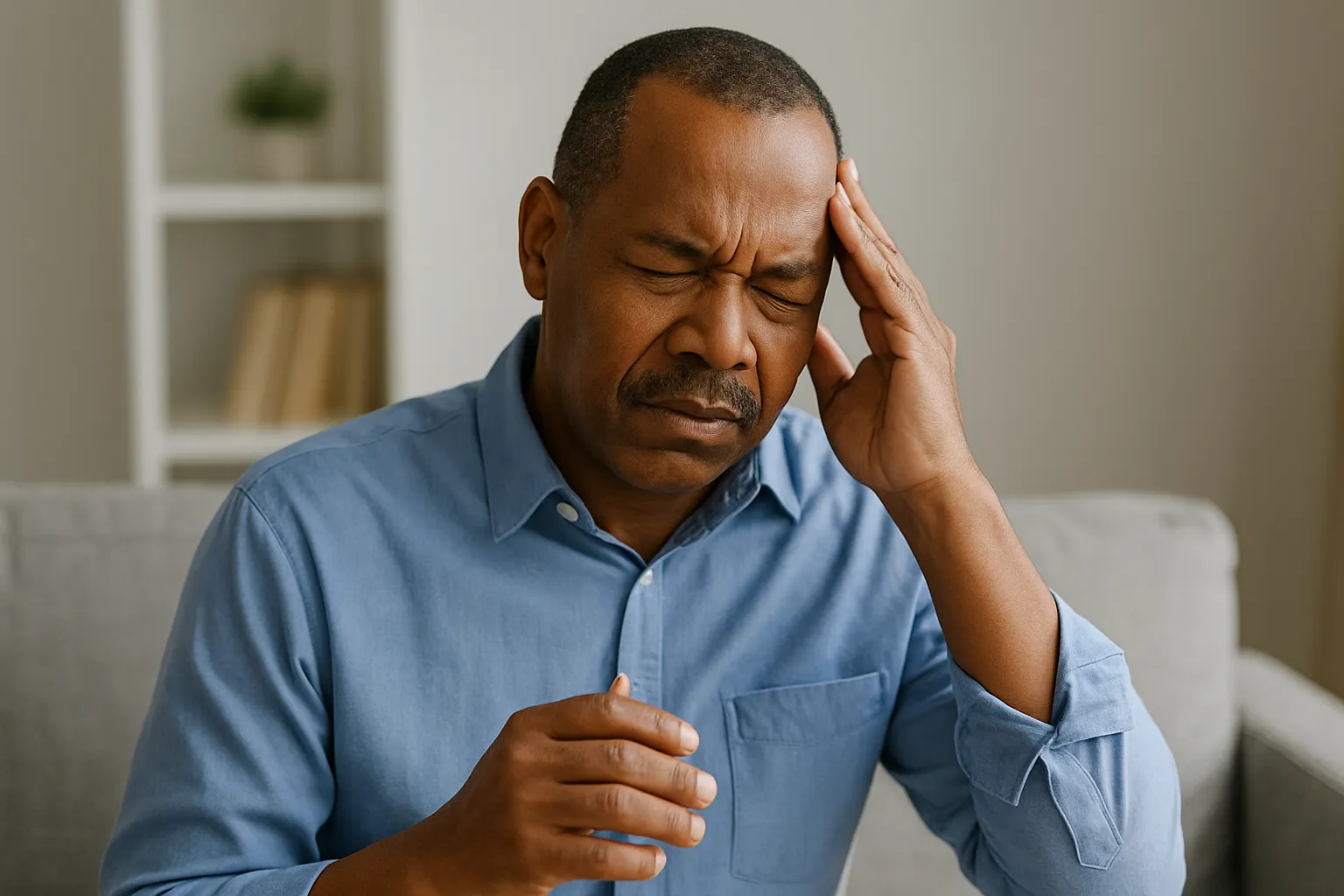
What is a Stroke?
A stroke is classified as a cerebrovascular accident (CVA) and occurs when there is a sudden loss of brain function due to an interruption in the blood supply. It is essential to recognize that strokes can affect different areas of the brain, leading to a variety of symptoms based on the region involved.
Types of Stroke
- Ischemic Stroke: This type accounts for about 87% of all strokes and occurs when a blood vessel supplying blood to the brain becomes blocked, often due to a blood clot.
- Hemorrhagic Stroke: This type occurs when a weakened blood vessel ruptures, causing bleeding in or around the brain. It is less common but can be more severe.
- Transient Ischemic Attack (TIA): Often referred to as a "mini-stroke," a TIA is a temporary period of symptoms similar to those of a stroke. A TIA is a warning sign that a full stroke may occur in the future.
Importance of Understanding Stroke
Recognizing the signs and understanding the types of strokes can lead to quicker responses and better outcomes. The adage "time is brain" highlights the critical importance of seeking immediate medical attention when stroke symptoms arise.
Causes of Stroke
Understanding the causes of stroke can significantly aid in prevention efforts. There are various risk factors associated with stroke, some of which are controllable, while others are not.
Controllable Risk Factors
- Hypertension: High blood pressure is the leading cause of stroke, making monitoring and management essential.
- Diabetes: Poorly controlled blood sugar can lead to blood vessel damage, increasing stroke risk.
- Smoking: Tobacco use contributes to atherosclerosis, raising the risk of ischemic strokes.
Uncontrollable Risk Factors
- Age: Stroke risk increases with age, particularly after age 55.
- Family History: A family history of stroke can predispose individuals to similar conditions.
- Gender: Men are generally at a higher risk for stroke than women, although women tend to suffer worse outcomes.
Recognizing Stroke Symptoms
Recognizing the signs of a stroke quickly can save lives and reduce the risk of long-term disability.
Common Symptoms
- Sudden numbness or weakness: This often affects one side of the body, leading to difficulties in movement and coordination.
- Confusion or trouble speaking: Individuals may have difficulty understanding speech or may slur their words.
- Vision problems: Sudden trouble seeing in one or both eyes can be a significant indicator.
The FAST Method
A helpful way to remember stroke symptoms is the FAST acronym:
- F: Face drooping
- A: Arm weakness
- S: Speech difficulties
- T: Time to call emergency services
Other Symptoms
Less common symptoms might include sudden severe headaches, dizziness, or trouble walking. Awareness of these can help with prompt recognition.
Diagnosis of Stroke
Timely diagnosis of stroke is essential for effective treatment. Medical professionals use various methods to identify the type and severity of a stroke.
Medical History and Physical Exam
- History Taking: Healthcare providers will ask about symptoms, medical history, and risk factors.
- Physical Assessment: This involves checking for reflexes, coordination, and sensory responses to identify affected areas.
Imaging Tests
- CT Scans: These are typically the first imaging tests performed to differentiate between ischemic and hemorrhagic strokes.
- MRI Scans: MRIs provide a more detailed view of the brain, helping diagnose stroke and determine its extent.
Laboratory Tests
Blood tests may be conducted to assess overall health, including blood sugar levels, clotting issues, and electrolyte balance.
Treatment Options for Stroke
The treatment for stroke varies based on its type and severity. Quick medical intervention is critical for better recovery outcomes.
Treatments for Ischemic Stroke
- Thrombolysis: This treatment involves administering clot-busting medications to dissolve the blood clot that is blocking blood flow to the brain.
- Mechanical Thrombectomy: In some cases, a medical device is used to physically remove the clot from the blood vessel.
Treatments for Hemorrhagic Stroke
- Surgical Intervention: In cases of hemorrhagic stroke, surgery may be necessary to repair the damaged blood vessel or to relieve pressure on the brain.
- Medication: Medications may be prescribed to manage blood pressure and prevent seizures.
Rehabilitation After Stroke
After the immediate medical treatment, rehabilitation plays a vital role in recovery. This may include:
- Physical Therapy: Aims to improve mobility and strengthen muscles.
- Occupational Therapy: Focuses on helping individuals regain independence in daily activities.
Preventing Stroke
Prevention is key to reducing the risk of stroke. Adopting a healthy lifestyle can significantly lower the likelihood of experiencing a stroke.
Lifestyle Changes
- Healthy Diet: A balanced diet low in sodium, saturated fats, and sugar can prevent hypertension and diabetes.
- Regular Exercise: Engaging in physical activity helps maintain a healthy weight and improves cardiovascular health.
Managing Health Conditions
- Regular Check-Ups: Monitoring conditions like hypertension and diabetes is essential for stroke prevention.
- Medication Compliance: Taking prescribed medications as directed can help manage risk factors effectively.
Avoiding Tobacco and Alcohol
Quitting smoking and limiting alcohol consumption can significantly reduce stroke risk. Support programs and resources are available for those seeking to make these changes.
Living with the Aftermath of Stroke
Survivors of stroke may face various challenges, including physical, emotional, and cognitive changes. Understanding these can help in the recovery process.
Physical Challenges
Many stroke survivors experience weakness or paralysis on one side of the body. Rehabilitation programs are crucial for regaining strength and mobility.
Emotional and Cognitive Effects
Depression and anxiety are common among stroke survivors. Cognitive impairments can affect memory, attention, and problem-solving abilities. Support from healthcare professionals and family can help address these challenges.
Support for Caregivers
Caregivers play an essential role in the recovery of stroke survivors. Education on stroke recovery and self-care strategies can help caregivers manage their responsibilities while also caring for their well-being.
The Importance of Awareness and Education
Increasing awareness about stroke can lead to better prevention strategies and quicker emergency responses when strokes do occur.
Public Awareness Campaigns
Initiatives aimed at educating the public about stroke symptoms and risk factors can enhance community health. Healthcare providers and organizations are crucial in these efforts.
Education in Healthcare
Training healthcare professionals to recognize and respond to stroke symptoms can significantly impact treatment outcomes.
Conclusion
Stroke remains a significant health concern with the potential for devastating consequences. By understanding its types, causes, symptoms, treatment options, and prevention strategies, individuals and communities can reduce the risk and improve outcomes for those affected. Prompt recognition of stroke symptoms and immediate medical intervention are critical to preserving brain health and enhancing recovery. Continuous education and awareness are essential to combating this condition and supporting survivors in their journeys toward healing and rehabilitation. With collective effort and awareness, we can make strides in reducing the impact of strokes in our communities.