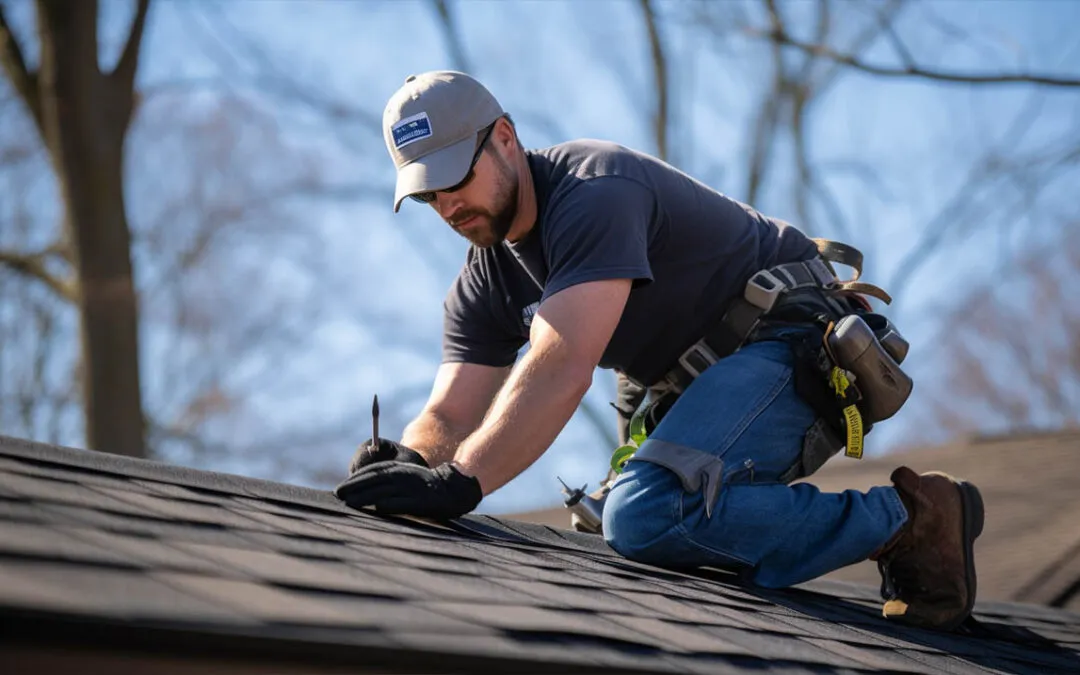
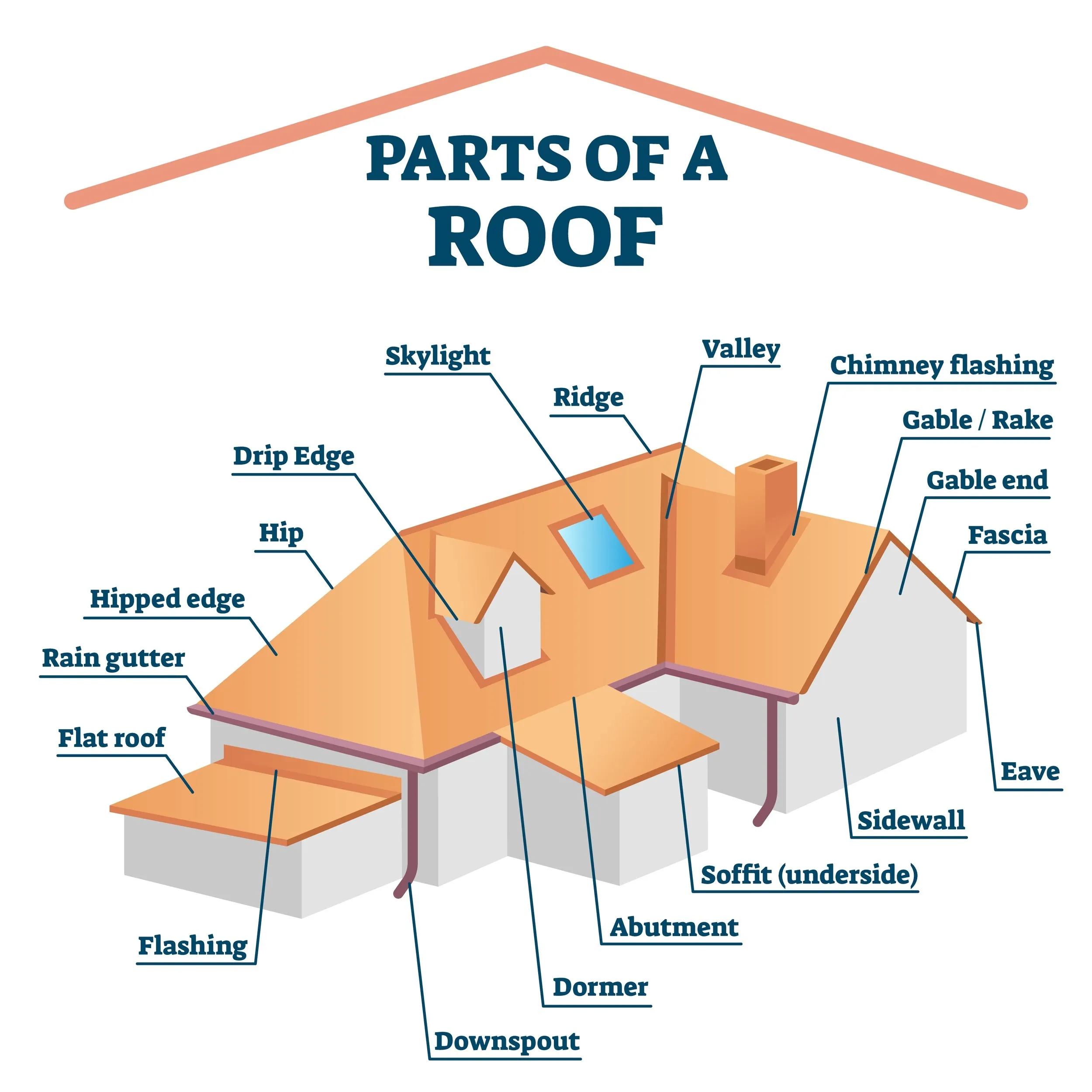
Roof Replacement Services: Ensuring Structural Safety and Long-Term Performance
Your roof is one of the most critical components of any building. It serves as the first line of defense against weather, temperature changes, and environmental damage. Over time, even the best roofing systems deteriorate, making roof replacement services essential for maintaining safety, efficiency, and property value.
This article highlights the importance of roof replacement, key indicators that signal the need for a new roof, and what to expect from professional roofing services.
The Importance of Timely Roof Replacement
Delaying roof replacement can lead to serious consequences. A damaged or aging roof may appear functional on the surface but can hide underlying issues such as moisture intrusion, weakened decking, or insulation failure.
Replacing your roof at the right time helps:
- Prevent costly interior damage
- Protect structural integrity
- Improve overall building performance
- Ensure compliance with current building standards
Roof replacement is not just maintenance—it is a long-term investment in property protection.
Key Signs You May Need Roof Replacement
Understanding the warning signs can help homeowners avoid emergency situations. Common indicators include:
Widespread Shingle Damage
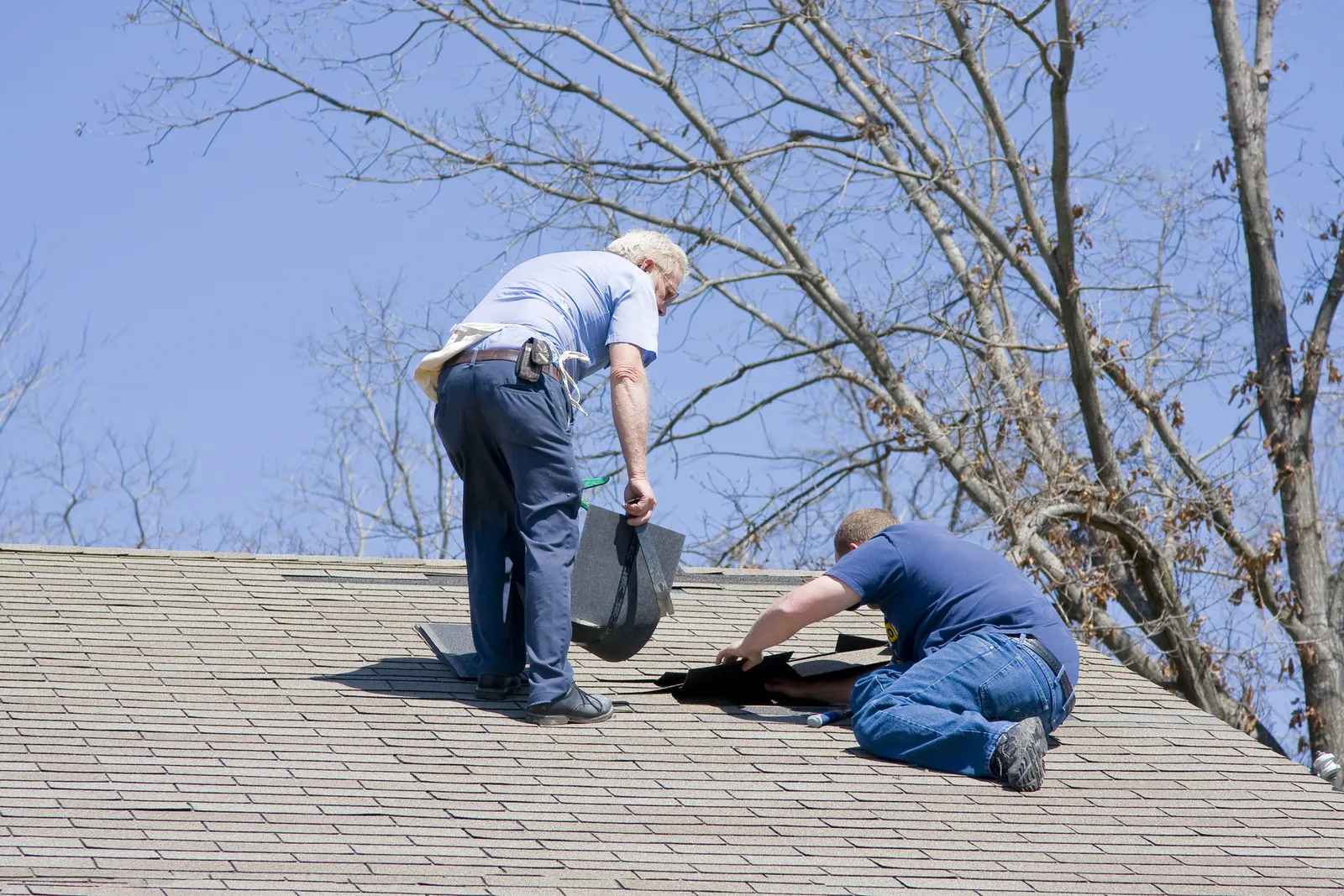
Cracked, curling, or missing shingles across large areas often signal that repairs are no longer sufficient.
Water Stains and Interior Leaks
Persistent leaks, ceiling stains, or mold growth may indicate extensive roof system failure.
Roof Sagging
A sagging roofline suggests structural issues that typically require full replacement rather than patchwork repairs.
Excessive Granule Loss
Finding large amounts of shingle granules in gutters or around the property indicates advanced material deterioration.
What Roof Replacement Services Typically Include
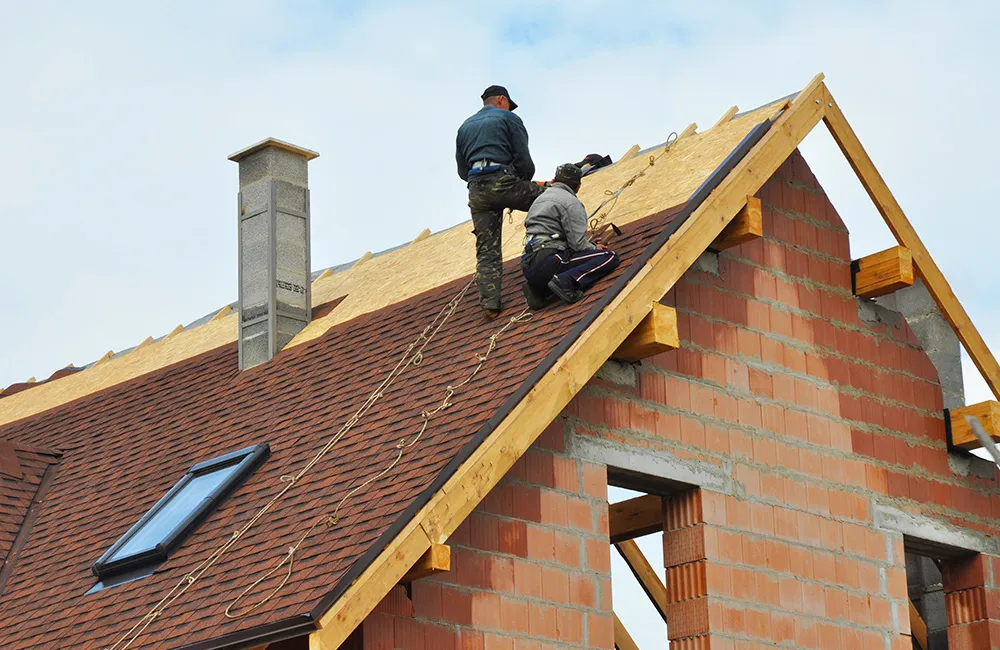
Professional roof replacement services follow a structured process designed to ensure durability and performance.
Comprehensive Roof Inspection
Contractors assess the entire roofing system, including decking, flashing, and ventilation components.
Customized Material Selection
Homeowners receive expert guidance on choosing materials that match climate conditions, budget, and architectural style.
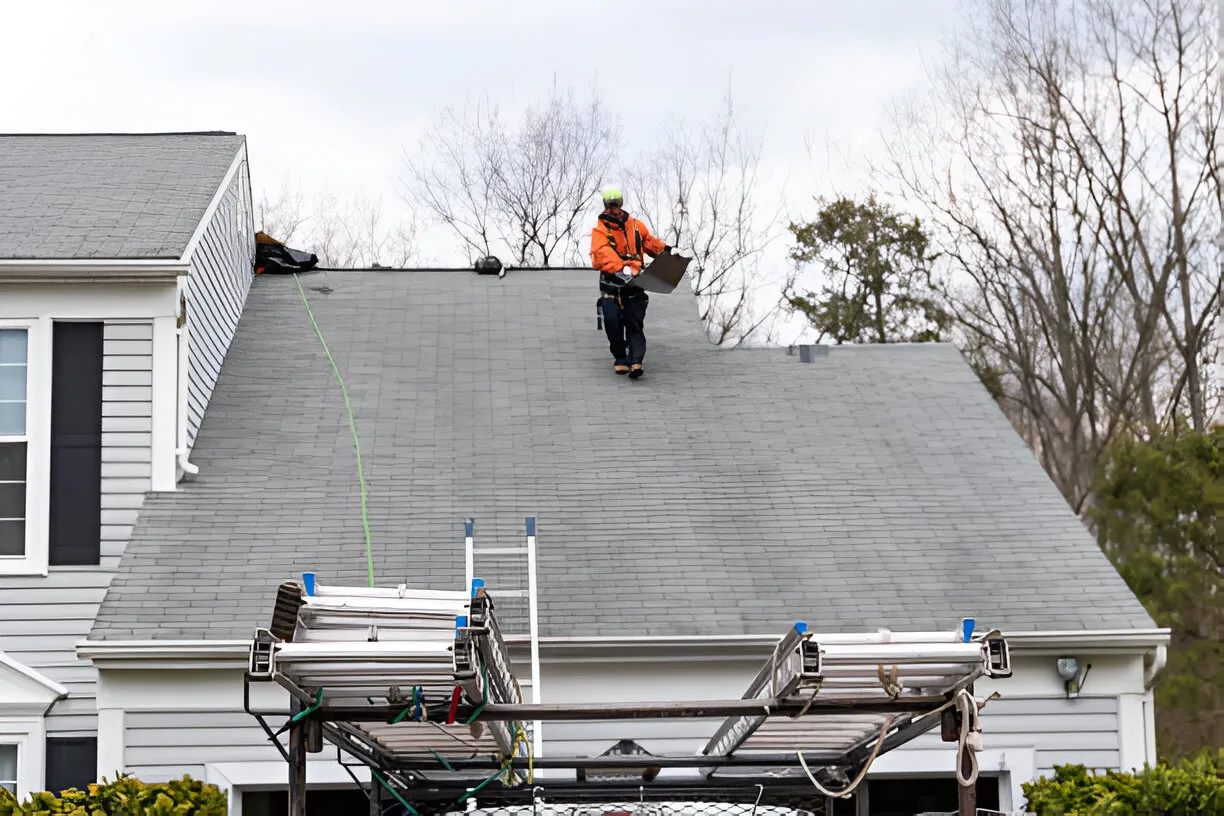
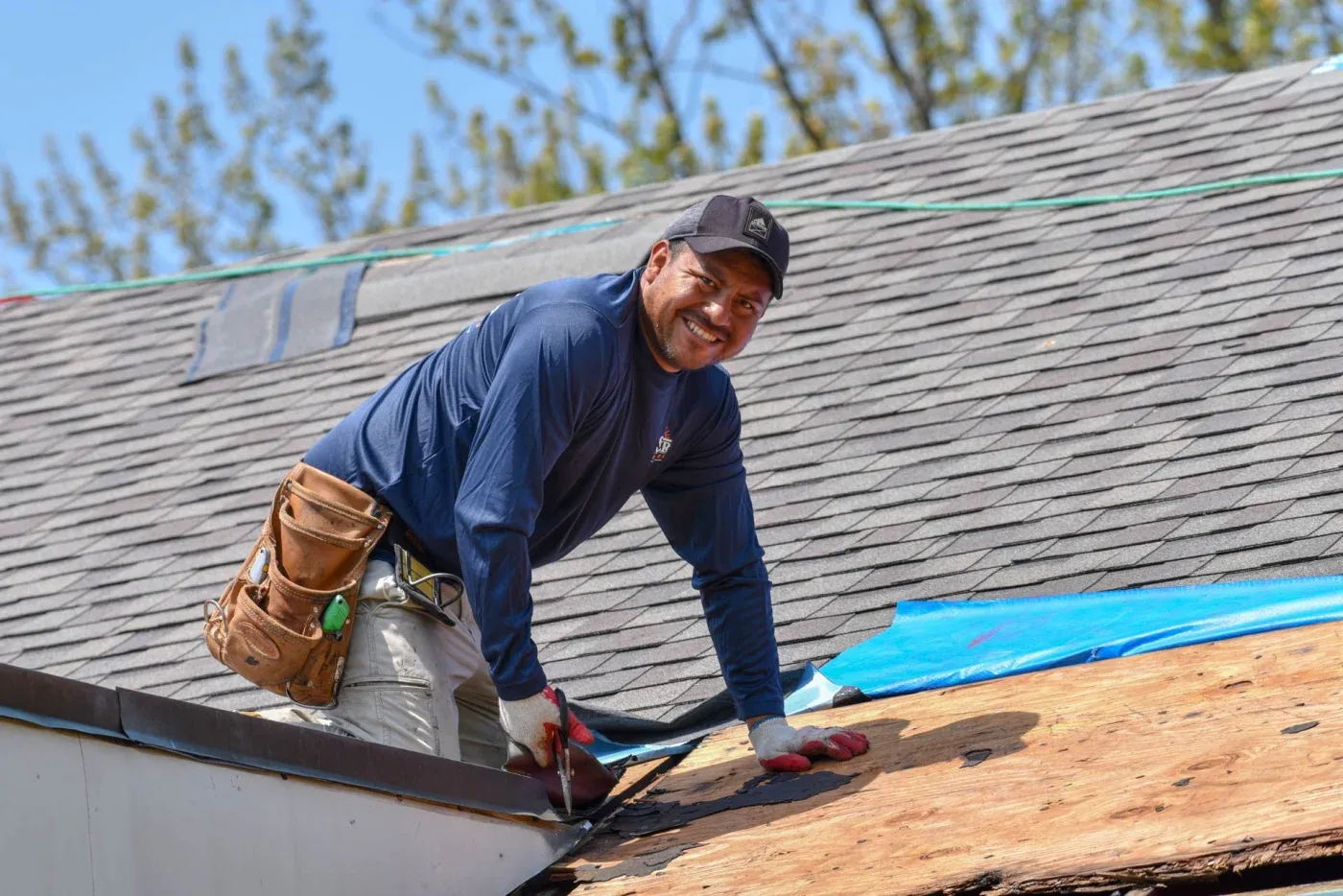
Removal of Existing Roofing
Old materials are safely removed to expose and evaluate the underlying structure.
Structural Reinforcement
Any damaged or weakened areas are repaired before new materials are installed.
Installation of the New Roof
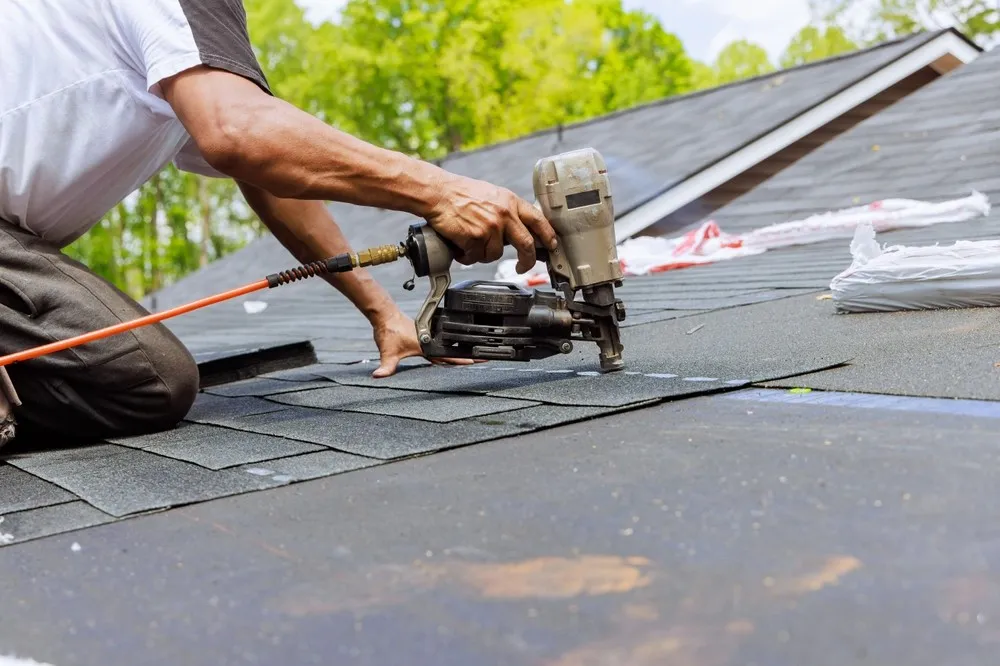
The new roofing system is installed with proper underlayment, waterproofing, ventilation, and finishing components.
Final Quality Check
A final inspection ensures the roof meets safety standards and manufacturer specifications.
Roofing Materials Used in Modern Roof Replacement
Choosing the right material directly affects roof lifespan and performance.
Asphalt Shingles
- Cost-effective and versatile
- Suitable for most residential properties
- Easy to maintain and repair
Metal Roofing
- Long-lasting and durable
- Resistant to extreme weather
- Energy-efficient and recyclable
Tile Roofing
- Highly durable and visually distinctive
- Excellent for warm climates
- Requires a strong support structure
Flat Roofing Systems
- Ideal for commercial buildings
- Easy access for maintenance
- Available in energy-efficient designs
Each material offers different advantages depending on property needs.
Energy Efficiency Benefits of Roof Replacement
Modern roof replacement services focus heavily on energy performance. A new roof can:
- Reduce heat transfer
- Improve insulation effectiveness
- Enhance attic ventilation
- Lower heating and cooling costs
Energy-efficient roofing systems help maintain comfortable indoor temperatures throughout the year.
Understanding Roof Replacement Costs
The cost of roof replacement varies based on several factors:
- Roof size and complexity
- Chosen roofing material
- Labor requirements
- Structural repairs needed
- Local regulations and permits
Although roof replacement requires a higher initial investment, it often reduces long-term maintenance and energy expenses.
Selecting a Reliable Roof Replacement Contractor
Choosing the right contractor is essential for a successful project. Property owners should look for:
- Proper licensing and insurance
- Proven experience in roof replacement
- Clear, written estimates
- Strong warranties on materials and workmanship
- Positive customer feedback
A qualified contractor ensures quality installation and long-lasting results.
Industry Trends in Roof Replacement Services
Roof replacement continues to evolve with advancements in materials and technology. Current trends include:
- Sustainable and eco-friendly roofing materials
- Improved waterproofing systems
- Enhanced ventilation designs
- Advanced inspection methods for accuracy
These developments improve performance while supporting long-term durability.
Conclusion
Roof replacement services are a crucial part of responsible property ownership. Whether addressing age-related wear or severe damage, replacing your roof provides improved safety, energy efficiency, and peace of mind.
By investing in professional services and high-quality materials, homeowners and property managers can ensure their roofing system remains reliable for decades to come.