Breast Cancer Demystified: A Thorough and Insightful Guide
Introduction
Breast cancer is one of the most common forms of cancer affecting women worldwide, although it can also occur in men. It develops when cells in the breast begin to grow uncontrollably, forming a tumor that can affect surrounding tissues. Early detection through screening and advancements in treatment options have increased survival rates significantly over the years. This article aims to provide a comprehensive understanding of breast cancer, including its types, risk factors, symptoms, diagnostic methods, treatment options, and the importance of awareness and support.
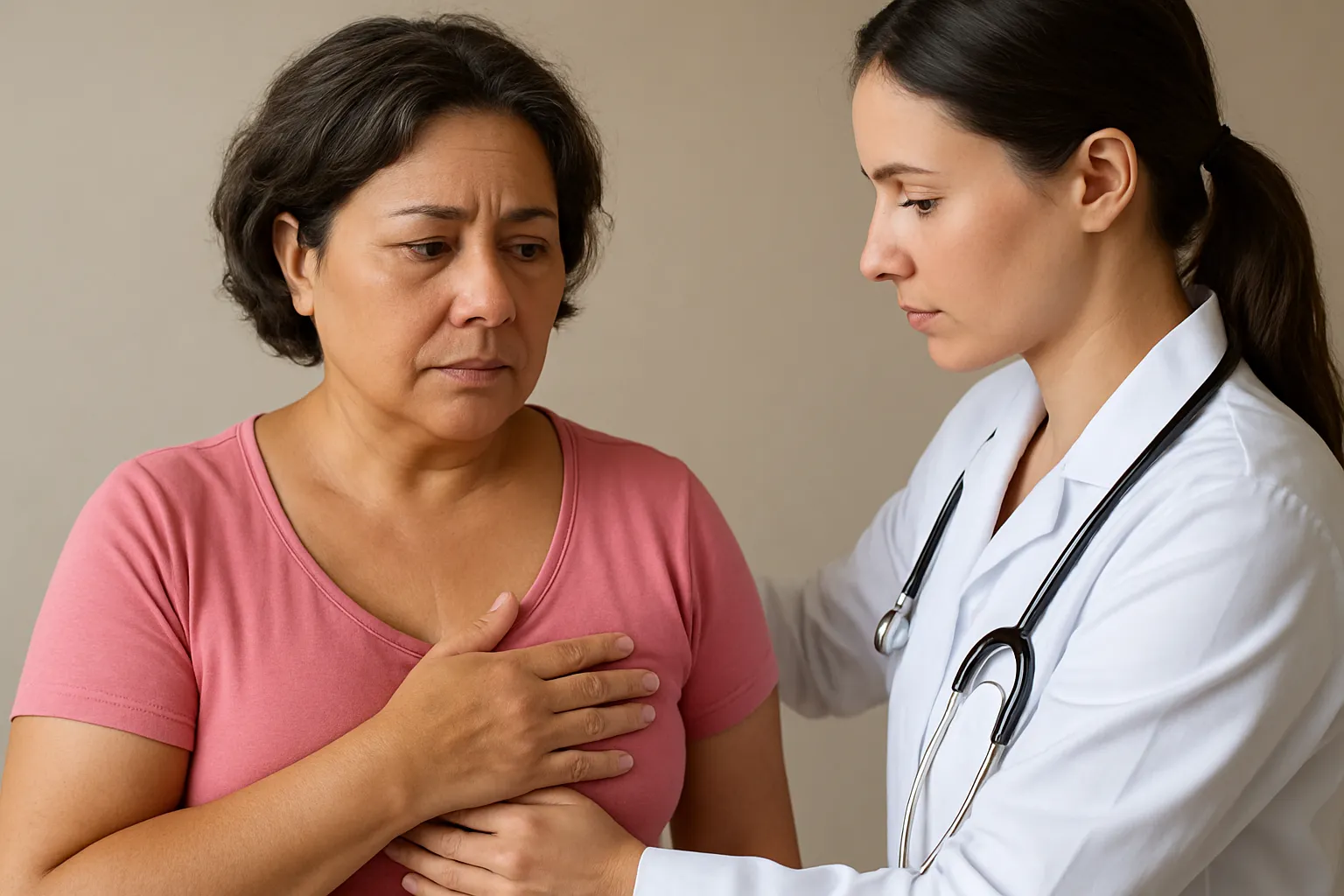
What is Breast Cancer?
Breast cancer originates in the cells of the breast. It can develop in different areas, primarily in the ducts (ductal carcinoma) or lobules (lobular carcinoma) of the breast. The classification of breast cancer helps determine the most effective treatment strategies.
Types of Breast Cancer
- Invasive Ductal Carcinoma (IDC): The most common type, IDC begins in the breast’s milk ducts and can spread to nearby tissues.
- Invasive Lobular Carcinoma (ILC): This type starts in the lobules and tends to grow more diffusely than IDC.
- Ductal Carcinoma In Situ (DCIS): A non-invasive type where cells inside the ducts have changed but have not spread outside.
Less Common Types
- Triple-Negative Breast Cancer: This aggressive form lacks three common receptors, making it more challenging to treat.
- HER2-Positive Breast Cancer: This form has an excess of the HER2 protein, leading to more aggressive growth.
Risk Factors for Breast Cancer
Understanding the risk factors associated with breast cancer can help in early detection and prevention efforts. Some factors are modifiable, while others are inherent.
Non-Modifiable Risk Factors
- Age: Risk increases as a woman gets older, particularly after 55.
- Genetics: Certain inherited genes, particularly BRCA1 and BRCA2, significantly increase the risk of developing breast cancer.
- Family History: A family history of breast cancer may indicate a higher likelihood of developing the disease.
Modifiable Risk Factors
- Alcohol Consumption: Regular consumption of alcohol has been linked to an increased risk of breast cancer.
- Obesity: Being overweight or obese, especially after menopause, raises the risk.
- Physical Inactivity: A sedentary lifestyle can contribute to higher breast cancer risk.
Symptoms of Breast Cancer
Recognizing the symptoms of breast cancer early is crucial for prompt diagnosis and treatment. While some symptoms may not indicate cancer, they should be discussed with a healthcare provider.
Common Symptoms
- Lump in the Breast: One of the most prevalent warning signs, often described as a hard, irregular mass.
- Changes in Breast Size or Shape: Any noticeable changes should be evaluated.
- Nipple Discharge: Any discharge other than breast milk, especially if tinted with blood, should be investigated.
Other Possible Symptoms
- Pain in the Breast or Nipple: While breast cancer is often not painful, discomfort should not be ignored.
- Skin Changes: Dimpling, swelling, or a change in texture may indicate underlying issues.
Diagnosis of Breast Cancer
Early diagnosis of breast cancer is critical for improving survival rates. Various techniques are employed to diagnose the disease accurately.
Screening Methods
- Mammography: A routine screening tool that uses X-rays to check for breast cancer before symptoms appear.
- Ultrasound: Often used in conjunction with mammograms to investigate lumps and abnormalities.
- Magnetic Resonance Imaging (MRI): Used to obtain a better view of breast tissue, especially for women with a high risk of breast cancer.
Biopsy
If abnormalities are detected, a biopsy may be performed to determine if cancerous cells are present. This involves removing a small sample of breast tissue for laboratory analysis.
Genetic Testing
In certain cases, genetic testing may be recommended to identify mutations in the BRCA1 and BRCA2 genes, which can guide treatment options and preventive measures.
Treatment Options for Breast Cancer
The treatment for breast cancer depends on various factors, including the type of cancer, stage, and the patient’s overall health. A multidisciplinary approach often provides the best outcomes.
Surgery
- Lumpectomy: The removal of the tumor and a small margin of surrounding tissue, preserving most of the breast.
- Mastectomy: The removal of one or both breasts, either partially or completely, may be recommended in more advanced cases.
Radiation Therapy
This treatment uses high-energy waves to target and kill cancer cells. It is often used after surgery to eliminate any remaining cancer cells in the breast region.
Chemotherapy
Chemotherapy involves using drugs to kill cancer cells. It may be administered before surgery to shrink tumors or after to eliminate residual cancer.
Hormonal Therapy
For hormone receptor-positive breast cancer, medications can block the effects of hormones that support cancer growth. Common drugs include tamoxifen and aromatase inhibitors.
Targeted Therapy
Targeted treatments, such as trastuzumab (Herceptin), specifically target certain characteristics of cancer cells, often leading to better outcomes with fewer side effects.
Living with Breast Cancer
Being diagnosed with breast cancer can have profound emotional and physical impacts on individuals and their families. Support systems play a vital role in coping with the challenges.
Emotional Impact
Fear, anxiety, and depression are common among those diagnosed with breast cancer. Seeking support through counseling or support groups can be beneficial.
Physical Rehabilitation
Post-treatment, individuals may require physical rehabilitation to regain strength, especially if surgery has affected mobility. Exercises tailored to breast cancer survivors can aid recovery.
Lifestyle Changes
Adopting a healthy lifestyle, including a balanced diet and regular exercise, can enhance recovery and overall well-being. Many survivors report feeling more empowered by taking control of their health.
The Role of Support Systems
Having a solid support system can make a significant difference during treatment and recovery. This support can come from family, friends, and healthcare professionals.
Family and Friends
Open communication with loved ones about feelings and experiences can foster a strong support network. Encouraging involvement in treatment decisions can also help.
Professional Support
Access to healthcare professionals, including oncologists, nurse navigators, and dietitians, can provide guidance and resources throughout the treatment journey.
Survivor Support Groups
Engaging with survivor groups can offer emotional support and shared experiences, allowing people to connect with others who understand their challenges.
Advocacy and Awareness
Raising awareness about breast cancer is essential for fostering early detection and improving outcomes for patients. Various organizations are dedicated to advocacy and education.
Awareness Campaigns
Initiatives like Breast Cancer Awareness Month aim to raise public awareness, encourage screenings, and fund research for better treatments and prevention strategies.
Education and Research
Investing in research is crucial to discovering new treatments and improving existing ones. Education programs help increase understanding and empower individuals to take charge of their breast health.
Conclusion
Breast cancer remains a critical health issue affecting millions globally. Understanding its types, risk factors, symptoms, and treatment options is essential for early detection and effective management. Advances in research and treatment have significantly improved outcomes, but awareness and education are vital in the fight against this disease. By fostering a supportive environment and advocating for better resources, we can enhance the quality of life for those affected by breast cancer and work towards a future with improved prevention and treatment options. Together, we can make a difference in the battle against breast cancer.